Blog
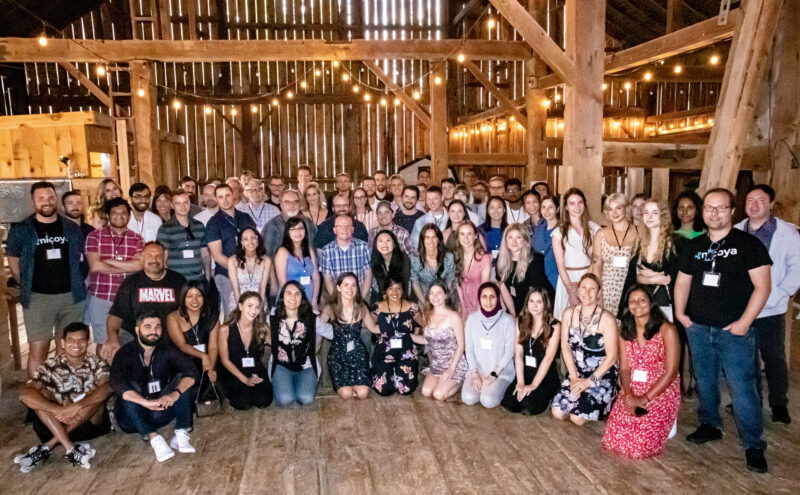
2022 wrapped: Celebrating 10 years at Nicoya
SPR vs BLI: Comparing label-free tools for Fc receptor characterization
New Nature study reveals insights into de novo autoreactivity in severe COVID-19 using Alto™ Digital SPR
Targeting interleukins: How digital SPR accelerates monoclonal antibodies for immune-related diseases
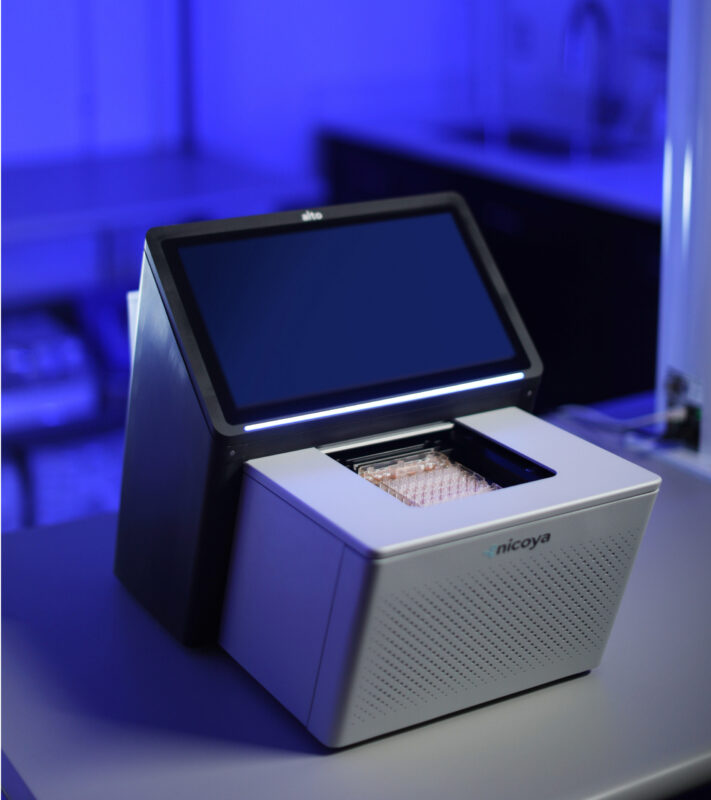
Cancer detection using SPR: Announcing our partnership with INOVIQ
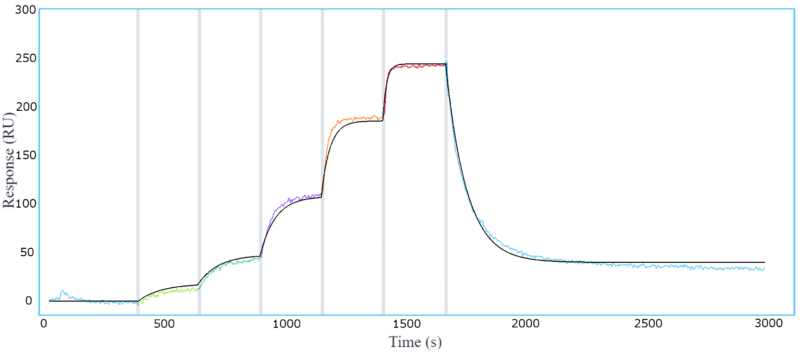
Application note: Characterization of ImmTAC® bispecific molecules with Alto™ digital SPR
Conventional vs Digital SPR: Comparing label-free tools for biologics discovery and development

What’s in store for 2022? Announcing our $20M Series A Extension
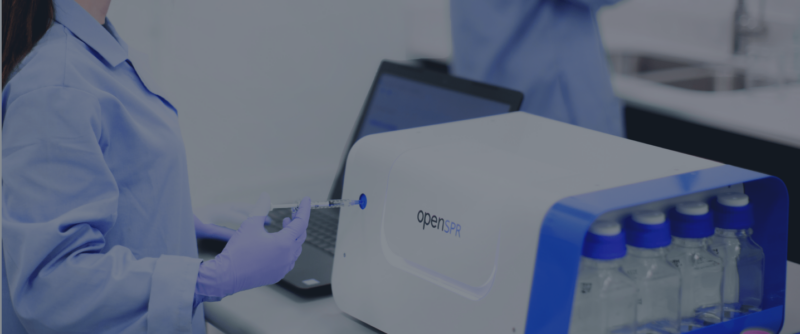
The role of SPR in immunotherapeutic research

Analyzing binding kinetics: Which method is best for your next SPR experiment?
Read on to learn about the two most common approaches for measuring binding kinetics, multi-cycle kinetics (MCK) and single-cycle kinetics (SCK), and how to select the right one for your interaction.
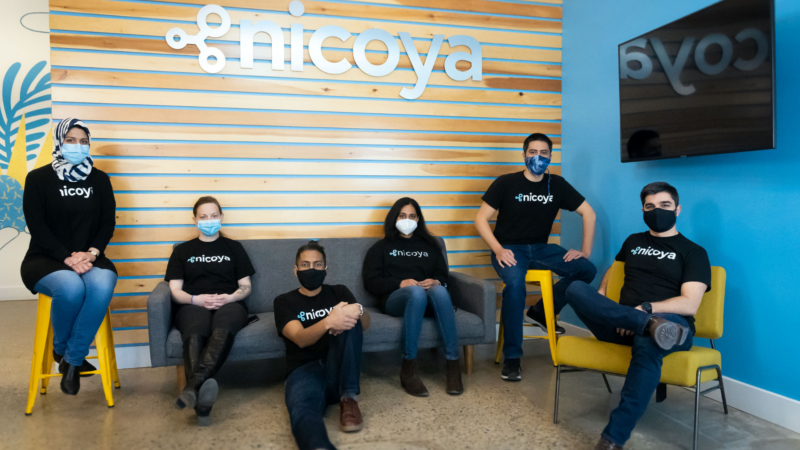
Nicoya receives over $1.9M in funding to continue the development of a portable, saliva-based COVID-19 test
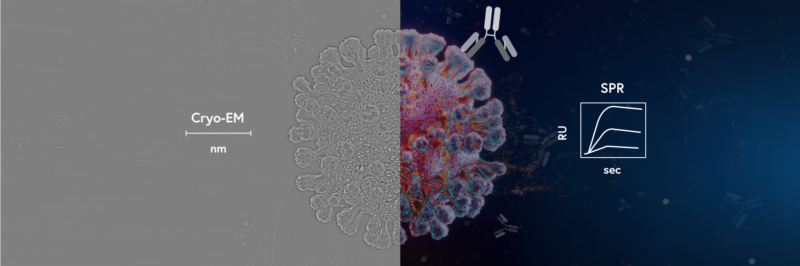
Cryo-EM and SPR: Complementary technologies providing structural and functional insights toward advancing coronavirus research

4 Ways To Reduce Non-specific Binding in Surface Plasmon Resonance Experiments

OpenSPR Binding Data Reveals a Potential Mechanism for the Treatment of Depression
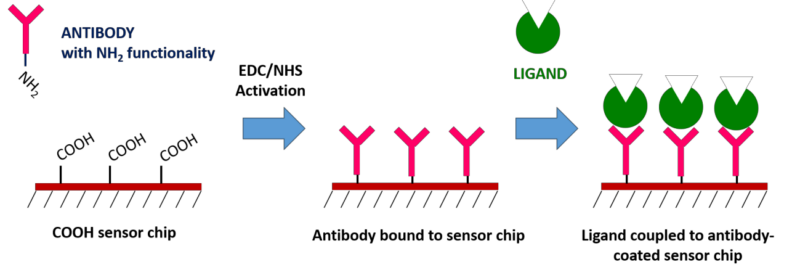
Surface Plasmon Resonance Sensors: A Comprehensive Guide for Scientists

7 Tips for Scientific Researchers Working Remotely
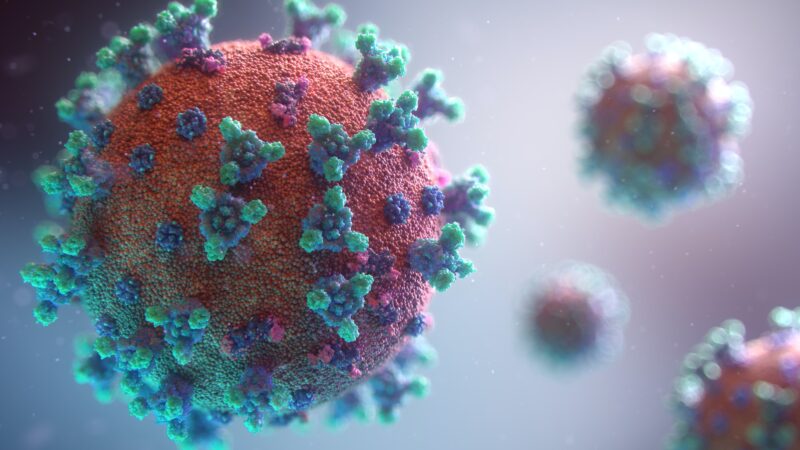
Nicoya receives over $290K in funding to develop a portable COVID-19 diagnostic test
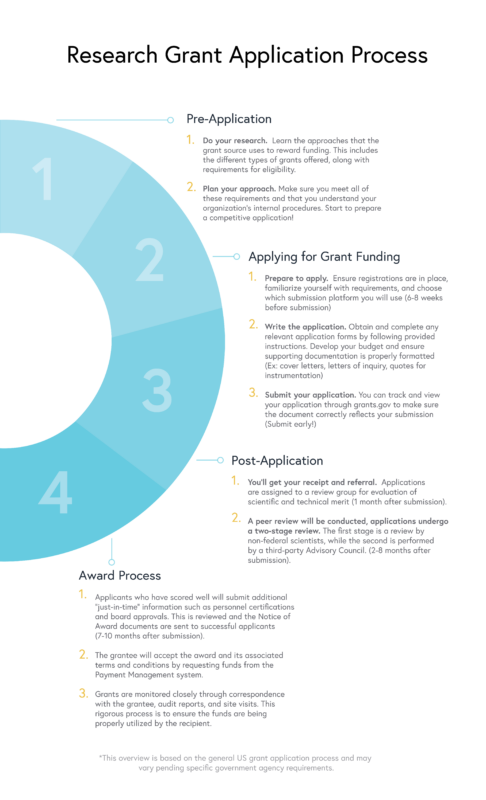
Ways to Get Research Funding During COVID-19