Blog
OpenSPR Binding Data Helps Advance Cancer Drug Discovery
Dr. Lu, a researcher at Sichuan University, uses OpenSPR’s surface plasmon resonance technology to get the key binding data needed for their recent publication on protein-protein interaction, helping them discover a new strategy for tumor-targeted delivery of anticancer agents.
SPR Binding Data Advances Muscular Dystrophy Research
Are you missing quantitative binding data data in your publication? Dr. Rossi, a collaborative researcher at the University of Virginia, uses OpenSPR’s surface plasmon resonance technology to provide her with the key binding data needed for her recent publication on protein-protein interaction in muscular dystrophy.
SPR Expert Interview: Dr. George Espie
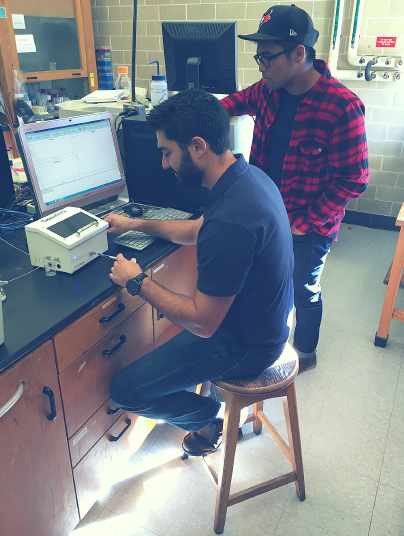
Waterloo Professor Thorsten Dieckmann Says SPR Data Was Key Link Needed For Publication
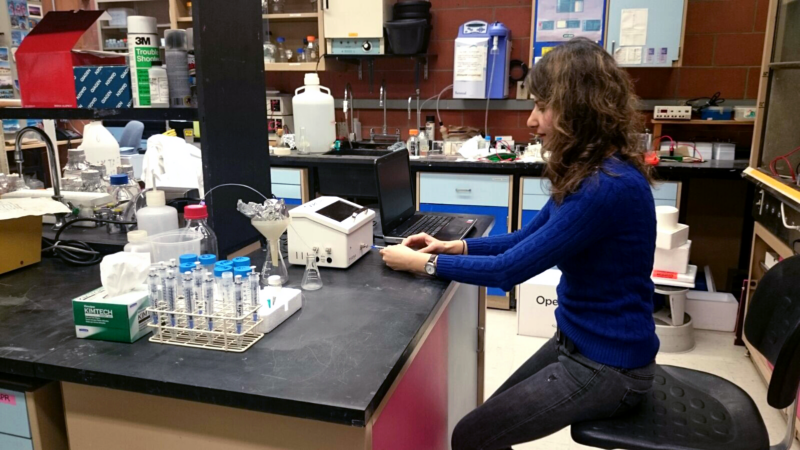
How OpenSPR helped Dr. Espie Publish his Groundbreaking Research
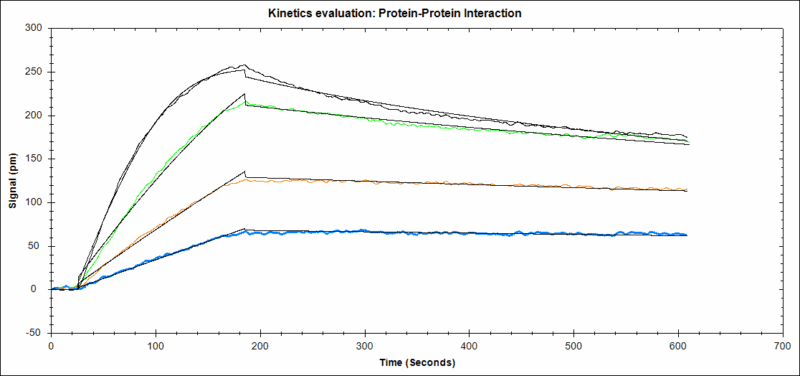
Comparison Study of SPR Instruments Using Commercially Relevant Binding Systems
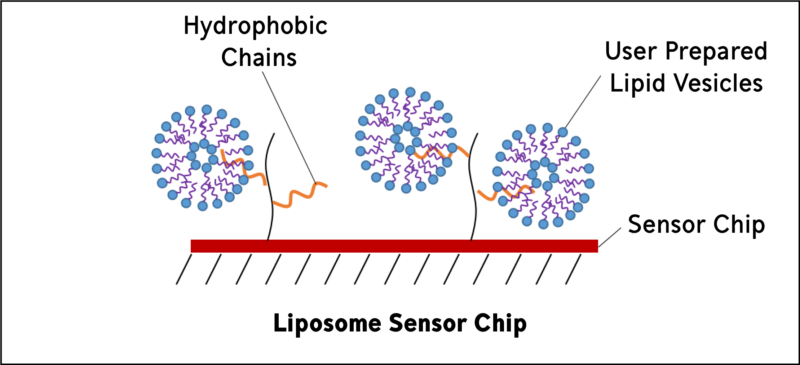
Binding Kinetics of Protein-Lipid Interactions Using Surface Plasmon Resonance

8 Advantages of Using SPR in Your Own Lab
What do you do if you need a specific piece of equipment, but can’t afford to purchase it outright? You may apply for a research grant, ask fellow researchers to borrow their equipment, or avoid conducting the experiments altogether.
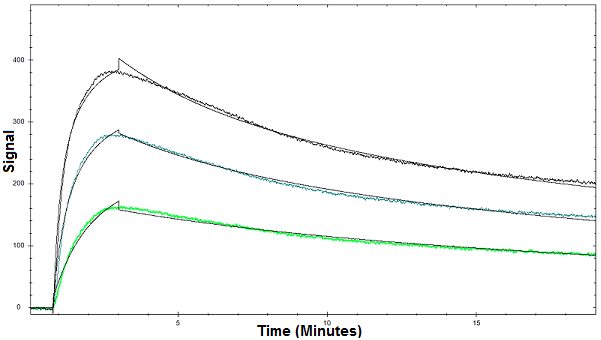
Binding kinetics of glycoprotein interactions using surface plasmon resonance

SPR Expert Interview: Dr. Thorsten Dieckmann

Nicoya’s Q & A: Researcher Profile – Dr. Guy Guillemette
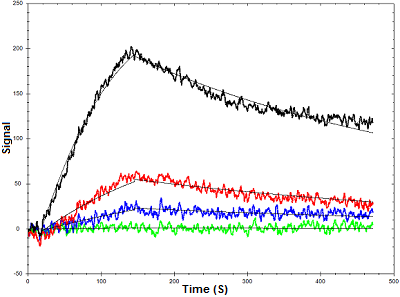
Binding Kinetics of Aptamer Interactions Using Surface Plasmon Resonance
A Simple Guide to Choosing the Best Ligand for Your SPR Experiment
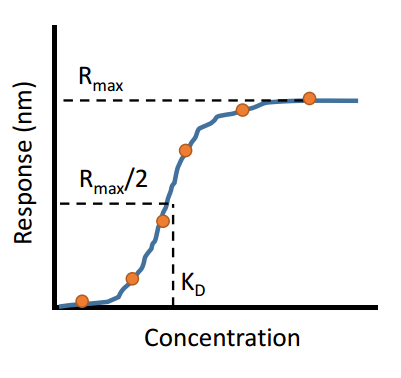
What Binding Kinetics Can Tell You That Affinity Can’t
There are many techniques available that can provide scientists with the affinity of an interaction between two biomolecules. The affinity describes how strong the interaction is between two biomolecules. Extremely strong interactions can be on the order of picomolar affinities, while weak interactions can be in the millimolar range, with many interactions falling within this range. Mathematically, the affinity is the concentration of analyte at which half of all binding sites are occupied (at equilibrium conditions).
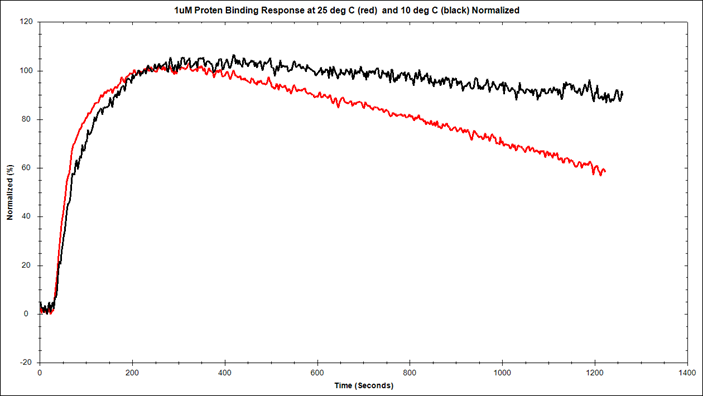
Hot New App Note: Temperature Dependent Binding Kinetics of Protein-Protein Interactions Using OpenSPR™
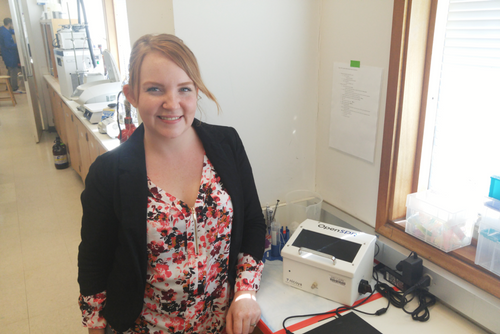
Meet the world’s youngest benchtop SPR user: 17-Year-Old Eric Wang
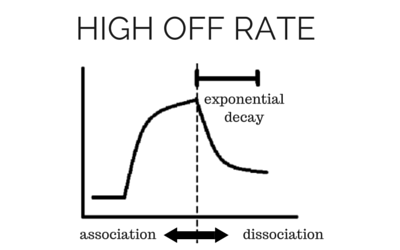
Mastering the Art of Regeneration – The Key to SPR Success
Using surface plasmon resonance to get high-quality binding kinetics is definitely rewarding, but the biggest challenge is often finding the right experimental conditions to get optimal binding kinetics. One of the most important steps to consider is the regeneration step, or more specifically, the regeneration buffer. The regeneration buffer is used to disrupt or reverse the binding between the ligand and analyte, and is often an essential step to getting good kinetics. This can be a tricky task, so we hope that these tips will help you rock your regen! We’ll be going over the principles of regeneration, when to use it, how to optimize it according to your ligand and analyte, and what the resulting benefits are if you execute the steps correctly.
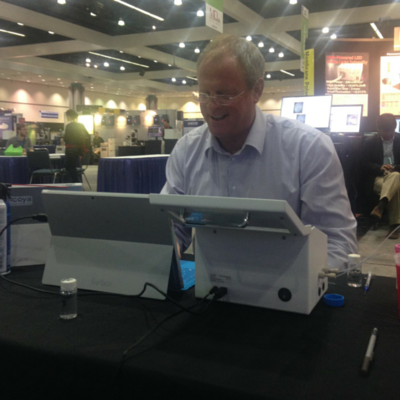
Nicoya Hires Senior Sales and Marketing Executive Jim Harp to Drive Global Expansion
Nicoya recently hired Jim Harp to serve as their VP of Business Development. Nicoya is looking to fuel the growth of OpenSPR through expanding internationally via channel partners and strategic OEM partners, and needed someone experienced and dedicated to that role. Jim is the perfect fit – a California native with deep industry sales experience and a fondness for KW. In addition, he’s a super cool guy – in his spare time, Jim spends his weekends motocross racing, desert dirt biking, surfing and coaching hockey. We interviewed Jim to get to know him better and get an idea of why he joined Nicoya. Jim Harp Senior VP of Business Development Jim has over 20 years of experience in various senior management positions in sales, marketing, and channel development. He has helped scale a number of products and businesses globally by establishing and managing distribution partners and strategic OEM relationships. He has extensive experience working in optics and photonics for the medical diagnostic and analytical instrumentation market while with companies like PerkinElmer and Semrock (now Idex).